- Tel: 0049 7121 908-101
- DE EN FR ES SV IT NL
- Products
- Test Equipment for Cooling Systems
- Cooling System Tester for Pressure and Leak Testing
- Vacuum cooling system filler
- Accessory for vacuum cooling system fillers
- Cooling system pressure test kit
- Adapters for testing cooling systems
- CO₂ Leak Tester for Cylinder Heads and Cylinder Head Gaskets
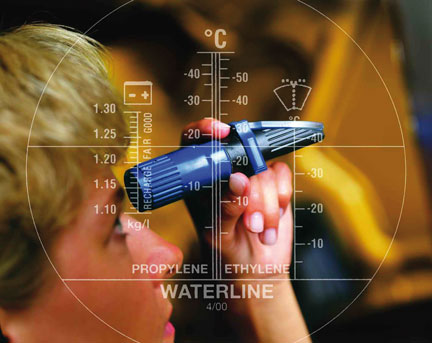
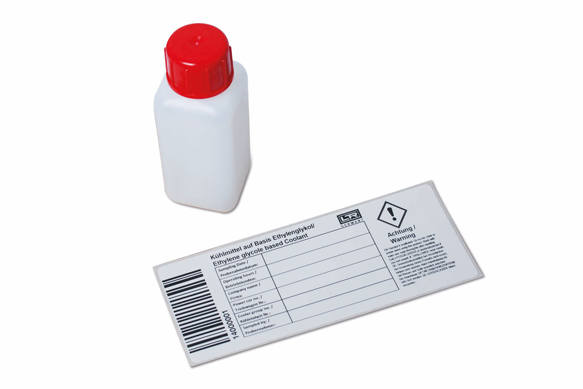
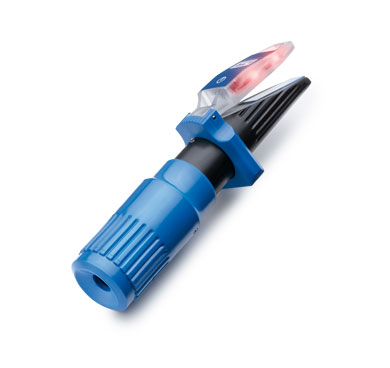
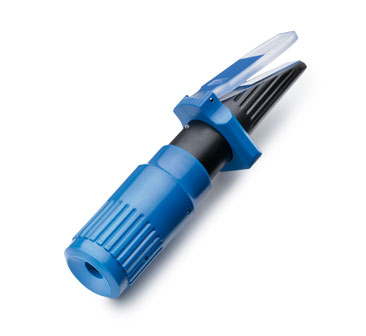
- Automotive Refractometer for Coolant, Battery Acid, Windshield Washer Fluid, and AdBlue®
- Radiator cap release tools
- Testing and Diagnostic Technology for E-Mobility and Alternative Powertrains
- Leak Testers for HV Batteries and High-Voltage Components
- HV Battery Diagnostics and State of Health (SoH) Assessment
- Thermal management Electric vehicles filling and testing equipment
- High-Voltage Safety & Electrical Inspections of Electric Vehicles
- Wallbox, EVSE, and Charging Cable Testers and Test Adapters
- Thermal Management & Coolant Testing for Fuel Cell Vehicles
- Test Equipment for Low-Conductivity Coolants (LECC/LCC)
- Test and Diagnostic Equipment for Automotive Air Conditioning Systems
- Test, Diagnostic, and Service Equipment for Internal Combustion Engines
- Compression Pressure Testers for Gasoline and Diesel Engines
- Engine Pressure Drop Tester for Gasoline and Diesel Engines
- Crankcase Pressure and Blow-by Measurement Devices
- Engine Lubrication & Oil Service
- Digital Thermometers for Workshops and Vehicle Diagnostics
- RPM Meter for Motors and Rotating Components
- Glow Plug Removal and Extraction Tools for Diesel Engines
- Test and Diagnostic Equipment for Fuel Systems
- Fuel Pressure Testers for Fuel Injection and Low-Pressure Systems
- Common Rail High-Pressure Testers
- Common-Rail Return Flow Testers for Injectors
- Common Rail Return Pressure Gauges for Injectors
- Injector and Fuel Nozzle Test Equipment for Gasoline and Diesel Engines
- Diesel Venting Devices
- Fuel Identification Test Equipment
- Fuel Suction and Transfer Equipment
- Leak Testers for Fuel Tank Systems
- Fuel consumption meter
- Unlocking Pliers for Fuel Quick-Connect Fittings
- Test and Service Equipment for Brake Systems
- Testing and Service Equipment for Transmissions and Transmission Fluid
- Test and Diagnostic Equipment for Hydraulic Systems
- Digital Hydraulic Pressure Gauge for Pressure Measurements
- Digital Hydraulic Diagnostic Instruments for Pressure, Flow, and Temperature
- Analog Hydraulic Diagnostic Instruments for Pressure, Flow, and Temperature
- Digital Hydraulic Test Kits for Pressure Measurements
- Analog Hydraulic Test Kits for Pressure Measurements
- Hydraulic test manifolds for quick pressure measurements
- Testing and Diagnostic Equipment for Exhaust Systems
- Test equipment for fresh air, intake, and charge air systems
- Test and Diagnostic Equipment for Automotive Electrical Systems
- Automotive Test Lamps and Multifunction Testers
- Automotive Battery Testers and Test Equipment for Battery and Charging Systems
- Automotive Surge Protection and Electronic Protection Devices
- Voltage Testers for Vehicle Power Outlets
- Maintaining Vehicle Power During a Battery Replacement
- Automotive multimeters, current clamps, and electrical measuring instruments
- Glow Plug Testers for Diesel Engines
- Trailer Tester for Checking Trailer Lighting
- Towing vehicle tester for testing trailer receptacles
- Pumps and Fluid Handling for Auto Repair Shops
- Vacuum and Pressure Pumps for Automotive Diagnostics
- Vacuum Suction Devices and Collection Containers
- Manual Suction Pumps for Oil, Coolant, and Diesel
- Manual Transfer Pumps for Oil, Coolant, and Diesel Fuel
- Manual metering pumps for oil, coolant, and diesel fuel
- Adapter for manual suction and manual metering pumps
- Drum Suction Pumps for Oil, Diesel, and Coolant
- Testing and Service Equipment for Wheels and Tires
- Specialty Tools for Workshops and Service
- Test Equipment for Cooling Systems
- Cooling System Tester for Pressure and Leak Testing
- Vacuum cooling system filler
- Accessory for vacuum cooling system fillers
- Cooling system pressure test kit
- Adapters for testing cooling systems
- CO₂ Leak Tester for Cylinder Heads and Cylinder Head Gaskets
- Automotive Refractometer for Coolant, Battery Acid, Windshield Washer Fluid, and AdBlue®
- Radiator cap release tools
- Testing and Diagnostic Technology for E-Mobility and Alternative Powertrains
- Leak Testers for HV Batteries and High-Voltage Components
- HV Battery Diagnostics and State of Health (SoH) Assessment
- Thermal management Electric vehicles filling and testing equipment
- High-Voltage Safety & Electrical Inspections of Electric Vehicles
- Wallbox, EVSE, and Charging Cable Testers and Test Adapters
- Thermal Management & Coolant Testing for Fuel Cell Vehicles
- Test Equipment for Low-Conductivity Coolants (LECC/LCC)
- Test and Diagnostic Equipment for Automotive Air Conditioning Systems
- Test, Diagnostic, and Service Equipment for Internal Combustion Engines
- Compression Pressure Testers for Gasoline and Diesel Engines
- Engine Pressure Drop Tester for Gasoline and Diesel Engines
- Crankcase Pressure and Blow-by Measurement Devices
- Engine Lubrication & Oil Service
- Digital Thermometers for Workshops and Vehicle Diagnostics
- RPM Meter for Motors and Rotating Components
- Glow Plug Removal and Extraction Tools for Diesel Engines
- Test and Diagnostic Equipment for Fuel Systems
- Fuel Pressure Testers for Fuel Injection and Low-Pressure Systems
- Common Rail High-Pressure Testers
- Common-Rail Return Flow Testers for Injectors
- Common Rail Return Pressure Gauges for Injectors
- Injector and Fuel Nozzle Test Equipment for Gasoline and Diesel Engines
- Diesel Venting Devices
- Fuel Identification Test Equipment
- Fuel Suction and Transfer Equipment
- Leak Testers for Fuel Tank Systems
- Fuel consumption meter
- Unlocking Pliers for Fuel Quick-Connect Fittings
- Test and Service Equipment for Brake Systems
- Testing and Service Equipment for Transmissions and Transmission Fluid
- Test and Diagnostic Equipment for Hydraulic Systems
- Digital Hydraulic Pressure Gauge for Pressure Measurements
- Digital Hydraulic Diagnostic Instruments for Pressure, Flow, and Temperature
- Analog Hydraulic Diagnostic Instruments for Pressure, Flow, and Temperature
- Digital Hydraulic Test Kits for Pressure Measurements
- Analog Hydraulic Test Kits for Pressure Measurements
- Hydraulic test manifolds for quick pressure measurements
- Testing and Diagnostic Equipment for Exhaust Systems
- Test equipment for fresh air, intake, and charge air systems
- Test and Diagnostic Equipment for Automotive Electrical Systems
- Automotive Test Lamps and Multifunction Testers
- Automotive Battery Testers and Test Equipment for Battery and Charging Systems
- Automotive Surge Protection and Electronic Protection Devices
- Voltage Testers for Vehicle Power Outlets
- Maintaining Vehicle Power During a Battery Replacement
- Automotive multimeters, current clamps, and electrical measuring instruments
- Glow Plug Testers for Diesel Engines
- Trailer Tester for Checking Trailer Lighting
- Towing vehicle tester for testing trailer receptacles
- Pumps and Fluid Handling for Auto Repair Shops
- Vacuum and Pressure Pumps for Automotive Diagnostics
- Vacuum Suction Devices and Collection Containers
- Manual Suction Pumps for Oil, Coolant, and Diesel
- Manual Transfer Pumps for Oil, Coolant, and Diesel Fuel
- Manual metering pumps for oil, coolant, and diesel fuel
- Adapter for manual suction and manual metering pumps
- Drum Suction Pumps for Oil, Diesel, and Coolant
- Testing and Service Equipment for Wheels and Tires
- Specialty Tools for Workshops and Service
- Test Equipment for Cooling Systems
- Service
- Company
- Contact
- Shop
-