Adjust contrast
Schriftgröße auswählen
Zum Bereich in Leichter Sprache Simple language

Product Search

Pumps and Fluid Handling for Auto Repair Shops

Drum Suction Pumps for Oil, Diesel, and Coolant

Drum suction pumps enable the manual extraction and transfer of larger volumes of liquid directly from canisters, drums, and other containers. The fluid is drawn in through the suction tube inserted into the container and then transferred in a controlled manner via a pressure hose or connection.

Leitenberger Autotest Devices offers a variety of drum pumps for workshops, service, and fluid handling. The height-adjustable HAP 20 is suitable for various container sizes and features an integrated filter. The HAP 21C combines an integrated sealing cone with a 1/4 SAE connection and can, for example, transfer oil directly from a container into a corresponding system. The HAP 21_MK case set and the GKS 02 sealing cone set provide additional connection and sealing options for various containers.

Frequently Asked Questions About Drum Suction Pumps

Drum pumps are designed for larger storage tanks and larger volumes of fluid, and thus differ significantly from compact manual suction, metering, or transfer pumps. The appropriate pump depends primarily on the fluid, the tank opening, the required flow rate, and the desired connection. Here, we answer frequently asked questions about the selection and use of Leitenberger drum suction pumps.

  • What is a drum suction pump?

    A drum suction pump is a manually operated pump used to remove liquids from larger containers such as:

    • canisters
    • drums
    • storage tanks
    • other suitable containers.

    The suction tube or suction hose is inserted into the liquid. The pumping action draws in the liquid and conveys it through the discharge side.

  • What types of liquids are drum suction pumps suitable for?

    The current category includes, among others:

    • Oils
    • Diesel
    • Coolant
    • Water

    However, the specific media compatibility varies depending on the pump model and must therefore be verified for each individual product.

  • Can any drum pump be used for the same liquids?

    No.

    Media compatibility depends on the specific pump model.

    The HAP 20 is specifically designed for diesel, oils, coolant, and water. The HAP 21C, on the other hand, is designed for various oils as well as non-flammable and non-corrosive liquids.

    Therefore, product compatibility should be verified before each use.

  • Can gasoline be pumped using the drum suction pumps?

    No.

    The current drum pumps are expressly not intended for use with gasoline.

    Only equipment and safety procedures approved for highly flammable substances may be used.

  • Can acids or alkalis be transported?

    No.

    HAP 20 and HAP 21C are expressly not intended for use with acids or alkalis.

    Inappropriate fluids can damage pump components and seals.

  • Can brake fluid be handled using a drum suction pump?

    The parent product category excludes brake fluid from this product group.

    When working with brake fluid, brake bleeding devices and extraction systems specifically designed for this purpose should be used.

  • What is the HAP 20?

    The HAP 20 is an aluminum-constructed manual barrel suction pump.

    It features:

    • 300 ml pump volume per stroke
    • an integrated filter
    • a height-adjustable design
    • a transparent pressure hose 1.40 m long
    • a suction tube for containers of various heights.
  • How does HAP 20 work?

    The suction tube is inserted through the tank opening all the way to the bottom of the tank.

    The liquid is drawn in by manually pumping and dispensed through the pressure hose.

  • Why is the HAP 20 height-adjustable?

    The height-adjustable design allows it to be adapted to liquid containers of varying heights.

    This allows the suction tube to reach as far as possible toward the bottom of the container.

  • For which container openings is HAP 20 suitable?

    Leitenberger specifies a container opening of at least 45 mm in diameter for HAP 20.

    Before use, therefore, it is necessary to check whether the container opening is large enough for the pump and suction tube.

  • What is the purpose of the filter in HAP 20?

    The HAP 20 has a built-in filter in the suction pipe.

    This helps trap coarser contaminants during suction. However, it does not replace the product-specific fine filtration required for the conveyed medium.

  • What is the pump volume of the HAP 20?

    The pump displacement is 300 ml per stroke.

    Ten full pump cycles theoretically correspond to a displacement of approximately three liters; however, the actual displacement may be affected by the fluid, suction head, and operating conditions.

  • How long is the pressure hose on the HAP 20?

    The HAP 20 comes with a transparent pressure hose measuring:

    • Ø 20 mm
    • 1.40 m in length.
  • Why is a transparent pressure hose useful?

    A transparent hose allows for visual monitoring of the flow process.

    This makes it possible, for example, to determine:

    • when liquid is being pumped
    • whether there is air in the hose
    • when the medium changes.
  • What is HAP 21C?

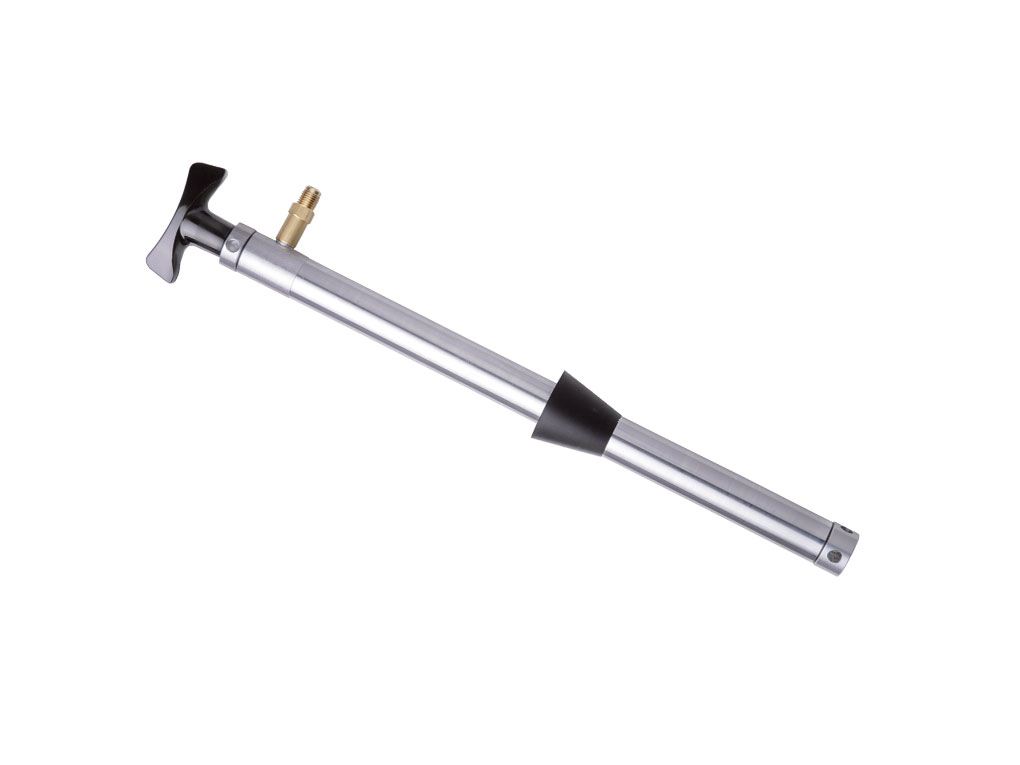
    The HAP 21C is an aluminum drum pump with an integrated sealing cone and a 1/4-SAE connection.

    It features:

    • 400 ml pump volume per stroke
    • a maximum achievable pressure of 30 bar
    • an integrated sealing cone
    • a corrosion-resistant design.
  • What is the difference between HAP 20 and HAP 21C?

    The two pumps are based on different designs.

    HAP 20

    • 300 ml/stroke
    • height-adjustable suction tube
    • integrated filter
    • transparent 1.40-m pressure hose
    • designed for diesel, oil, coolant, and water.

    HAP 21C

    • 400 ml/stroke
    • Integrated sealing cone
    • 1/4 SAE connection
    • Up to 30 bar
    • Specifically designed for various oils as well as non-flammable and non-corrosive liquids.
  • Why can the HAP 21C generate up to 30 bar?

    The HAP 21C is not only designed for easy extraction from a container but can also convey the fluid further via the pressure connection.

    Leitenberger cites, for example, the application of pumping oil directly from a container into the crankcase of a refrigeration compressor.

    The maximum achievable pump pressure must not be confused with a system’s universally permissible charging pressure.

  • Can HAP 21C be used for filling?

    Yes, for applications where this is appropriate.

    Leitenberger specifically mentions the possibility of pumping oil directly from the container into the crankcase of a refrigeration compressor.

    Whether another component may be filled in this manner depends on the medium, the connection, and the manufacturer’s specifications.

  • Is the HAP 21C just a suction pump?

    Although the product is designated as a drum suction pump, its design also allows for the transfer or pumping of suitable liquids via the 1/4 SAE connection.

    The specific application should therefore be understood more as a drum pump for withdrawing and transferring suitable fluids.

  • What is the purpose of the HAP 21C sealing cone?

    The integrated sealing cone seals the container opening during use.

    This allows the pump to remain on the container until it is mostly or completely empty.

  • What is HAP 21_MK?

    The HAP 21_MK is a complete carrying case set based on the HAP 21 drum pump.

    The set includes:

    • Drum suction pump with sealing cone
    • Refrigerant hose 1/4 SAE, 0.90 m
    • Suction hose G 1/4, 1.00 m
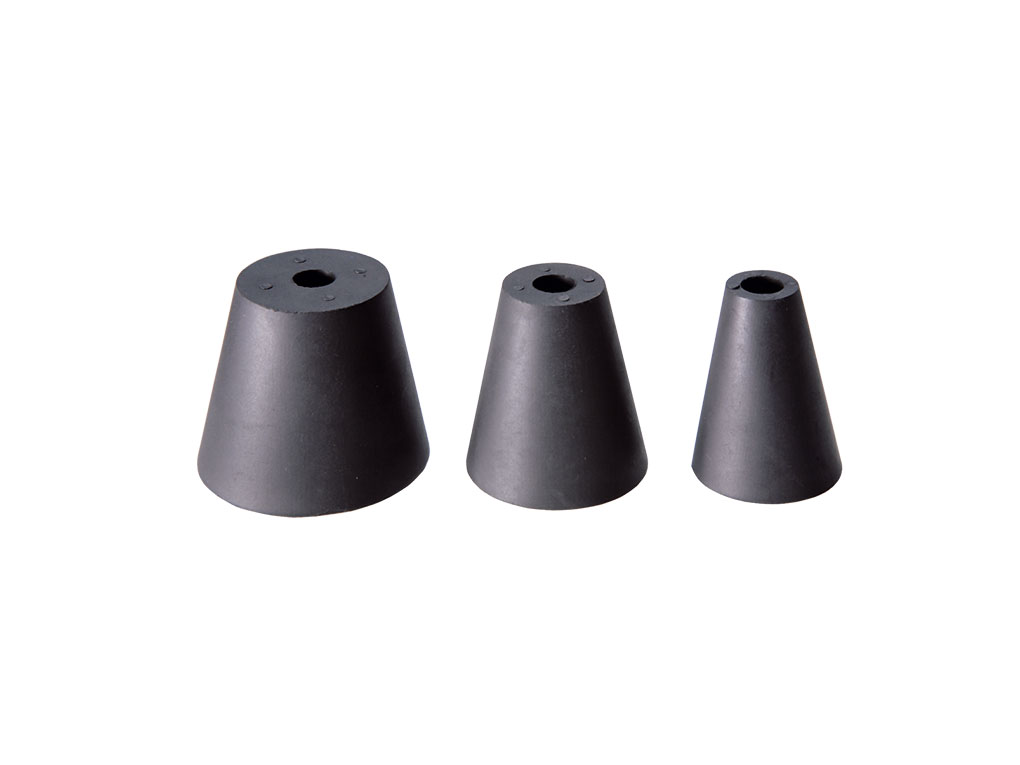
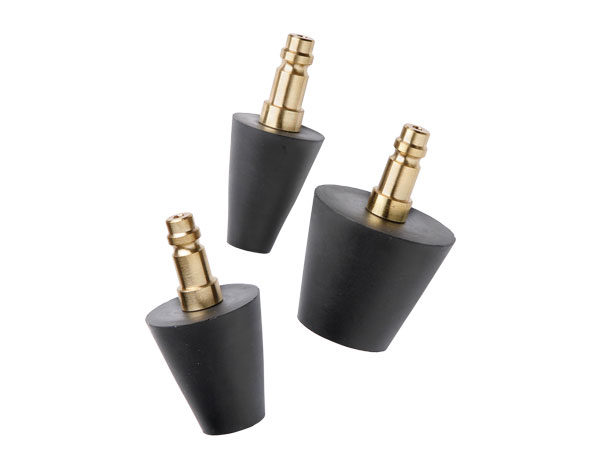
    • Sealing cone set GKS 02
    • Sturdy plastic case.
  • What is the advantage of the HAP 21_MK case set?

    In addition to the pump itself, the set includes extra hoses and various sealing cones.

    This allows the pump to be adapted more flexibly to different container openings and corresponding applications.

  • What is the pump's capacity in the HAP 21_MK?

    Like the corresponding HAP-21 model, the pump included in the set has:

    • a pump volume of 400 ml per stroke
    • and a maximum achievable pressure of 30 bar.
  • What is GKS 02?

    GKS 02 is a sealing cone set designed as an accessory for the HAP 21.

    It allows for the sealing of various container openings.

  • What sealing cones does GKS 02 contain?

    The current set includes the following cone sizes:

    • Ø 30/15 mm
    • Ø 40/20 mm
    • Ø 50/35 mm.

    The sealing cones are 40 mm high.

  • Why are different sealing cones needed?

    Containers have openings of varying sizes.

    Different cone diameters allow the pump system to be better adapted to and sealed against the existing opening.

    This eliminates the need to use a separate pump for each container size.

  • What is the purpose of the opening in the GKS-02 sealing cone?

    The sealing cones have a 9.5 mm center hole for the HAP 21C_S02 suction hose.

    This allows the suction hose to be fed through the appropriate sealing cone into the container.

  • When do I need to use GKS 02 as well?

    GKS 02 is particularly useful when the pump's standard sealing cone does not fit the existing container opening.

    The set expands the range of possible sealing diameters, thereby allowing it to be used with containers of various sizes.

  • What is the difference between a drum suction pump and a handheld suction pump?

    A hand-operated suction pump draws fluid directly into its pump cylinder and is particularly suitable for small and medium quantities on a vehicle or machine.

    A drum suction pump, on the other hand, is designed for direct extraction from larger storage containers.

    It can continuously draw fluid from the container over several pumping strokes.

  • What is the difference between a drum suction pump and a manual transfer pump?

    A hand-operated transfer pump features separate suction and discharge sides and is versatile enough to transfer fluid between any two points of your choice.

    A drum pump, on the other hand, is positioned directly on or inside a storage container and is specifically designed for dispensing from canisters and drums.

  • What is the difference between a drum pump and a manual metering pump?

    A hand-operated metering pump has a transparent, graduated pump cylinder and is particularly suitable for precisely controlling a specific volume of liquid.

    A drum pump, on the other hand, is designed primarily for the efficient withdrawal and transfer of larger volumes from a storage container.

  • Can a drum pump replace a manual metering pump?

    Not for all applications.

    If the goal is simply to transfer large volumes of liquid from a storage tank, a drum pump is the best choice.

    If, on the other hand, a specific volume needs to be drawn or dispensed as precisely as possible, a hand-operated metering pump with a scale offers advantages.

  • When is a drum pump better than a manual transfer pump?

    A drum pump is particularly useful when:

    • you regularly work from the same drum or canister
    • the suction tube is to remain in the container
    • large quantities of liquid are being transferred
    • a stable position on the container is desired.

    A manual transfer pump, on the other hand, offers more flexibility between freely positioned source and destination containers.

  • Can engine oil be pumped using a drum pump?

    Yes, provided the pump is designed for that purpose.

    Oils are among the primary media handled by drum pumps.

    You can find additional equipment related to motor oil under Testing and Service Equipment for Engine Lubrication and Oil Service.

  • Can transmission fluid be pumped using a drum pump?

    A drum pump suitable for the specific oil can generally transfer transmission fluid from a storage container.

    However, transmission fluid fill pumps and fill adapters are designed for the actual vehicle-specific filling of modern transmissions.

    These are designed to accommodate the required fill ports and service procedures.

  • Can coolant be pumped using a drum pump?

    HAP 20 is also specifically marketed for use with coolant.

    However, radiator vacuum filling units are the specialized solution for evacuating and filling entire vehicle cooling systems with minimal air.

  • Can diesel be pumped from a barrel?

    HAP 20 is specifically designed for diesel.

    When selecting a model, however, you must ensure that the specific pump model is approved for diesel.

    For work directly on the vehicle's fuel system, fuel extraction and transfer devices are also available.

  • Can drum pumps be used for refrigeration and air conditioning applications?

    Thanks to their 1/4-SAE connection, the HAP 21C and HAP 21_MK are particularly well-suited for applications involving refrigeration compressors.

    Leitenberger specifically mentions the transfer of oil from the container into the crankcase of a refrigeration compressor.

    This does not mean that refrigerant is intended to be transferred; the decisive factors are the approved medium and process.

  • What is a 1/4-SAE fitting?

    The 1/4-SAE connection allows for the attachment of compatible hoses or service components.

    The HAP 21C uses this type of connection; the HAP 21_MK comes standard with a 0.90-meter-long hose featuring a 1/4-SAE connection.

  • Do drum suction pumps require electricity?

    No.

    The current HAP drum pumps are manually operated.

    As a result, they require neither an electrical power supply nor a battery.

  • Do drum suction pumps require compressed air?

    No.

    The suction effect is generated by the manual pumping motion.

    This distinguishes it, for example, from vacuum extraction devices and collection containers, in which a vacuum is first created using compressed air from the workshop.

  • Can the pump stay attached to a barrel permanently?

    With the HAP 21C, the integrated sealing cone specifically allows the pump to remain on the container until it is completely emptied.

    For other pumps, the specific design and intended mounting must be taken into account.

  • Why is a height-adjustable barrel pump useful?

    With the HAP 20, the height adjustment feature allows it to be adapted to liquid containers of various sizes.

    This allows the suction tube to be adjusted to match the container height as closely as possible.

  • How can you prevent different liquids from mixing?

    Residual amounts may remain in the pump, suction line, hose, and fittings.

    If different fluids or oil specifications must not be mixed, the following should therefore be done:

    • Use separate pumps
    • Clearly label the pumps
    • Define appropriate cleaning procedures.
  • Can the same drum pump be used for oil and diesel?

    Only if the specific pump is approved for both media.

    HAP 20, for example, is available for diesel and oils. HAP 21C, on the other hand, has a differently worded media approval.

    In addition, the possibility of residual media mixing must be taken into account.

  • What should be considered when selecting a drum suction pump?

    Key criteria include:

    • Medium
    • Container size
    • Diameter of the container opening
    • Required pump volume
    • Required hose length
    • Desired connection type
    • Required delivery pressure
    • Need for sealing cones
    • Mobile or stationary use.

    The HAP 20 and HAP 21C cover different primary applications.

  • Which pump offers the greatest flexibility for different container sizes?

    The HAP 20 offers flexibility for containers of varying heights thanks to its height adjustment feature.

    The HAP 21C, on the other hand, can be adapted to different container openings using the GKS 02 and an additional suction hose.

  • What kind of fluid-handling equipment is appropriate for a workshop?

    Depending on the task at hand, a combination of the following may be useful:

    • Drum extraction pumps for storage tanks and larger containers
    • Manual transfer pumps for continuous transfer between two points
    • Manual extraction pumps for smaller, targeted withdrawals
    • Manual metering pumps for controlled volumes
    • Vacuum extraction units and collection containers for larger extraction operations on vehicles.

    You can find additional solutions under Pumps and Fluid Handling for Auto Repair Shops

Cookie settings
This website uses cookies that enable you to use services offered by external providers, such as YouTube or Google Maps. The legal basis here is Art. 6 DSGVO (1) a.

Here you can object to the anonymized recording of your user behavior by MATOMO. For this purpose, we store a cookie on your computer to respect this decision also on subsequent visits.

Please note that depending on your settings, some functions may not be available.

You can find more information in our Privacy policy

Matomo settings

Attention: When you object to tracking, a Matomo deactivation cookie is set that remembers your objection.